
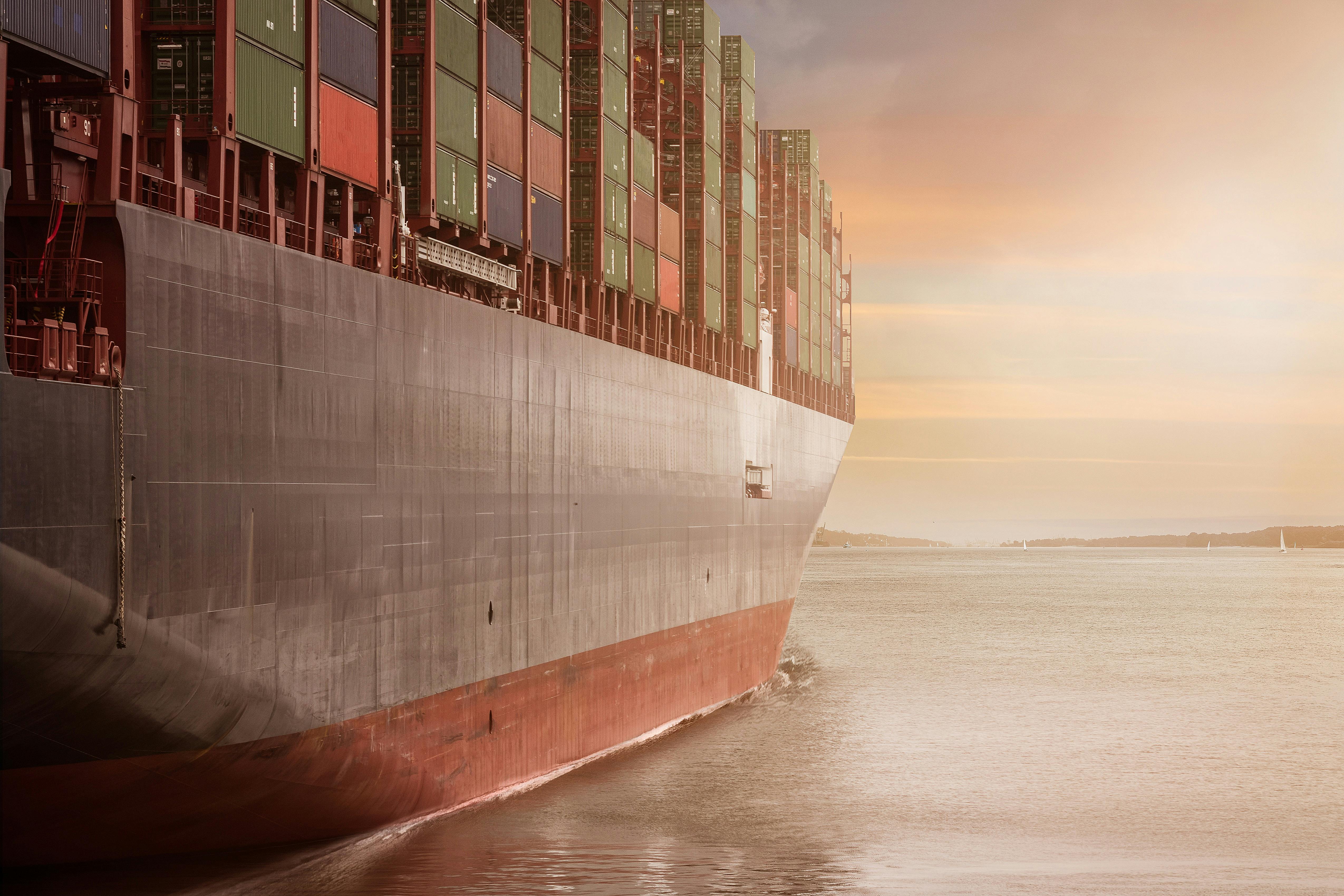
Canada is a maritime nation with the world’s longest coastline, linking the Atlantic, Arctic, and Pacific oceans. Export and import activities through marine shipping play an essential role in Canada’s (and the world’s) supply chains.
As of December 2023, Canada has about 210 commercially registered fleets made up of vessels that weigh 1,000 gross tonnage and above. The fleet has 55 cargo vessels, 40 dry bulk ships, 25 tankers, and 22 other vessels. Canada’s marine network includes 560 port facilities, 840 fishing harbors, and 106 recreational harbors. Also, 68 passenger ferries connect Canada’s coastal, island, and remote communities.
Canadian-registered vessels carry around 99% of domestic tonnage and support trade between Canada and the United States. Foreign-registered ships carry goods to and from non-U.S. destinations. The domestic marine sector’s focus is transporting bulk cargo, which is vital in supplying resources to Northern communities and developing offshore resources. In 2023, Canada’s Port Authorities oversaw around 351 million tonnes of cargo, an increase of 3.4% from 2022.
The Canadian Marine Careers Foundation states that the marine sector includes over 1,000 employers and employs over 100,000 skilled workers in the private and public sectors. Approximately 25% of merchandise trade (which provides for imports and exports) is moved by water.
Transport Canada is the national regulatory body overseeing commercial ships in Canada; the Marine Safety Directorate administers national and international laws to ensure that boats operate safely. The Great Lakes and St. Lawrence region operators carry dry bulk and liquid bulk cargo with vessels that meet the maximum size and capacity limits of the Great Lakes and the St. Lawrence Seaway systems. The St. Lawrence Seaway Management Corporation manages and operates this portion of the system under Canadian legislation. Commercial boating vessels are subject to Canadian and U.S. regulations.
Marine transport can be divided into four geographical areas: the Pacific west coast region, the Great Lakes and St. Lawrence, the Atlantic region, and the northern region. Hwy H2O is a 3,700 kilometre (2,300 mile) marine highway between Canada and the US, and comprises the St. Lawrence River, St. Lawrence Seaway, and the Great Lakes.
Currently, the marine sector is the most efficient mode of moving goods regarding greenhouse gas emissions per tonne/KM, but efforts to move towards zero emissions by 2050 are still underway.
The National Shipbuilding Strategy was implemented in 2010 to support Canada’s marine industry and build ships in Canada. The goal is to create a long-term and sustainable plan that revitalizes shipyards and builds vessels for the Royal Canadian Navy, Coast Guard Canada, and Transport Canada. Large vessels are built in Canada by Vancouver Shipyards Co. Ltd., Chantier Davie Canada Inc., and Irving Shipbuilding Inc.
There are potential partnership opportunities for small- and medium-sized businesses (SMEs) to provide goods and services to the selected shipyards and other suppliers involved in shipbuilding under the National Shipbuilding Strategy. As of November 2016, up to 491 SME suppliers have received a contractual value of close to $478 million, showing that SMEs can become part of Canada’s shipyard supply chain.
Want more Canada market updates? Sign up for our monthly newsletter!