
High-protein products and high-protein ingredients are now popular choices among Canadian consumers. Not only are they popular, but consumers are increasingly choosing to prioritize protein in their overall diet. Data presented by Food in Canada’s How hi-protein trend is transforming the snack aisle webinar indicates that “3 in 5 Gen Z consumers want hi-protein snacks in convenient on-the-go formats like protein bars, smoothies, shakes, and fortified drinks. Protein also tops the list of functional ingredients for Millennials. Consumers are more likely to pick an indulgent snack like cookies and other types of baked goods if they are high in protein.”
More than 70 per cent of Canadians are seeking to boost their protein intake. Food products with 25g or more of protein per serving see the fastest growth in the market. For manufacturers and retailers, protein is now a baseline expectation, not a differentiator. Some categories that traditionally avoided protein (such as hydration, occasion meals, bakery, and even convenience-store formats) have joined the trend.
Protein is still trending in 2026, but some new findings include:
- The ‘proteinization’ of everything has led consumers to fixate on hitting arbitrary protein goals, often at the expense of other essential nutrients.
- The food industry has hit a ‘peak protein’ moment, with protein added to nearly everything.
- Consumers are rejecting ultra-processed proteins and returning to traditional formats.
TikTok and social media influencers (who align with the Gen Z and Millennial demographics) have largely contributed to protein’s popularity. Canadian shoppers have had difficulty finding cottage cheese in grocery stores due to the protein trend and the promotion of cottage cheese as a macro-friendly ingredient across social media. (Cottage cheese sales have reportedly increased by more than 60 per cent over the past two years.)
The global protein snacks market reached $24 billion in sales in 2025 and is growing at three times the rate of the overall snacking category. Growth is driven by Gen Z and Millennial consumers, who together represent 34% of the market. This demographic values health, functionality, and sustainability. High-protein snacks meet the need for convenience, speed, and on-the-go use while remaining healthy. Shoppers are now looking for snacks with clean ingredients, plant-based options, and functional benefits such as satiety, gut health, or muscle recovery.
On the retail side, brands have been stepping up to create innovative products to meet consumer demands, including new formats and flavors through food science and research. Examples include Maple Leaf Foods’ launch of its Mighty Protein Meat Sticks. These meat sticks pack 12g of complete protein with zero sugar, no fillers, and only 110 calories per stick.
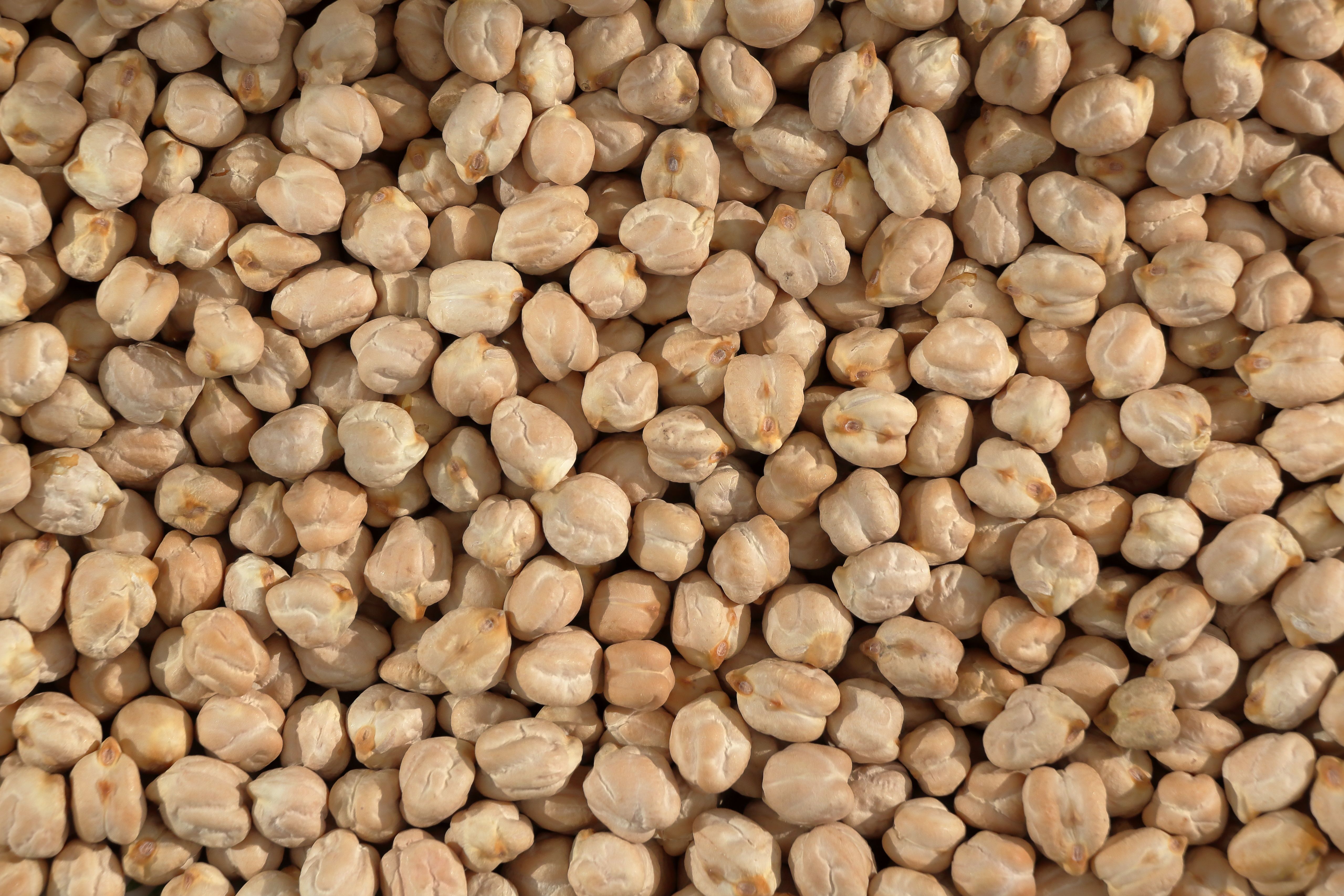
Canada, the world’s largest exporter of pulse crops (lentils, peas, beans, and chickpeas) is also a global leader in plant-based protein. The country produces premium proteins and is well positioned to be a strategic partner due to significant farming land, secure energy supplies, and benefits from various free trade agreements with international markets.
Canada is contributing to the advancement of sustainable protein innovation. Maia Farms has developed a fermentation platform that grows oyster mushroom-based ingredients designed specifically for food manufacturers. Their goal is to make protein produced in a way that meets the needs of modern food production while also supporting a more sustainable and competitive food system.
Protein Industries Canada is part of Canada’s five Global Innovation Clusters and accelerates innovation in plant-based food, feed, and ingredients. In facilitating industry partnerships and opening doors to investment opportunities, Protein Industries Canada is working to create a $25 billion plant-based food sector for Canada by 2035. From its inception in 2018 to March 2023, Protein Industries Canada co-invested in 55 projects worth $477 million. Their Technology Leadership Program co-invested with industry to advance R&D on new plant-based ingredients, products, and processes. Its Fund I investment allowed it to develop more than 300 new IP assets, and innovative ingredients and food products hit the market in Canada and abroad. (They were re-capitalized for five years in February 2023 and are working with industry to identify and invest in the best projects to advance plant-based food innovation.)
Many companies are joining the high-protein wave by creating new snacks or incorporating this trend into their existing products. The challenge for brands now will be to make functional, high-quality, and unique products that also deliver exceptional taste, texture, and flavor profiles.
The high-protein trend in Canada represents a multi-billion-dollar market, and there is demand for innovative products.
Want more Canada market updates? Sign up for our monthly newsletter!
Pexels photo