
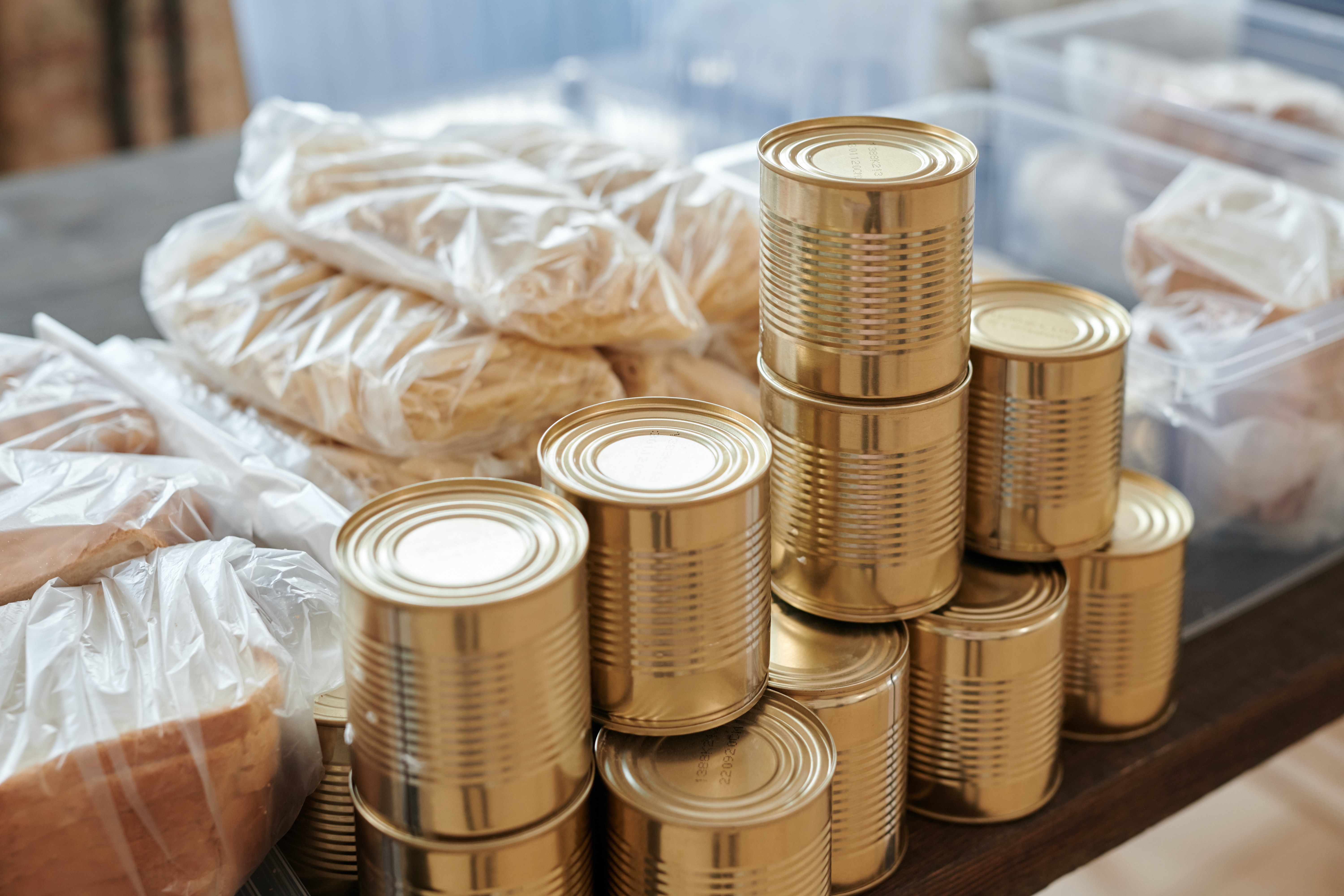
Private label food products have evolved from a low-cost alternative to national brands to recognized labels themselves, often including innovative products with high-quality ingredients. And retailers worldwide are making heavy investments in their private label sections.
Global private label food and beverage sales reached almost USD $517 billion last year – a 47% increase since 2018. In recent years, Canada’s private-label market share has grown faster than that of national brands – 3.9% (to $271 billion), compared to national brands’ 1% growth.
For food products (where the market is staggeringly abundant with choices), private label with big brands offers a good opportunity for sales volume, easier market entry (and diversification), and a chance to build relationships with retailers. Specific advantages for food manufacturers can include:
- A revenue stream that can be used to offset some of the costs of growing your own brand,
- Increased private-label production volume that can use up excess plant capacity and help cover overhead costs,
- Incremental volume from private label can provide leverage to negotiate lower ingredient and packaging costs,
- Supplying major grocery retailers with private label products can help get your product on the shelf without having to pay listing fees, and
- Access to a retailer’s product development and quality assurance expertise is a learning opportunity you can apply to other parts of your business.
Major grocery retailers require suppliers to be certified under a Global Food Safety Initiative (GFSI), including CanadaGAP, BRCGS, and more. Certification can significantly reduce business risks (such as recalls) and protect your brand.
While private label demand is growing, retailers need to ensure they’re ready to enter this sector. This will require:
- Understanding your production capacity,
- Building a resilient supply chain,
- Demonstrating scalability,
- Ensuring you’re market-ready, and
- Focusing on relationships over transactions.
EDC also suggests minimizing retailer dependency and carefully planning market diversification in its private label expansion tips.
Harvestia Group also offers good insights into the private label journey. Food businesses interested in Canada’s private label sector will find more useful information on the EDC and Food Processors Affiliation Canada websites.
Want more Canada market updates? Sign up for our monthly newsletter!