-
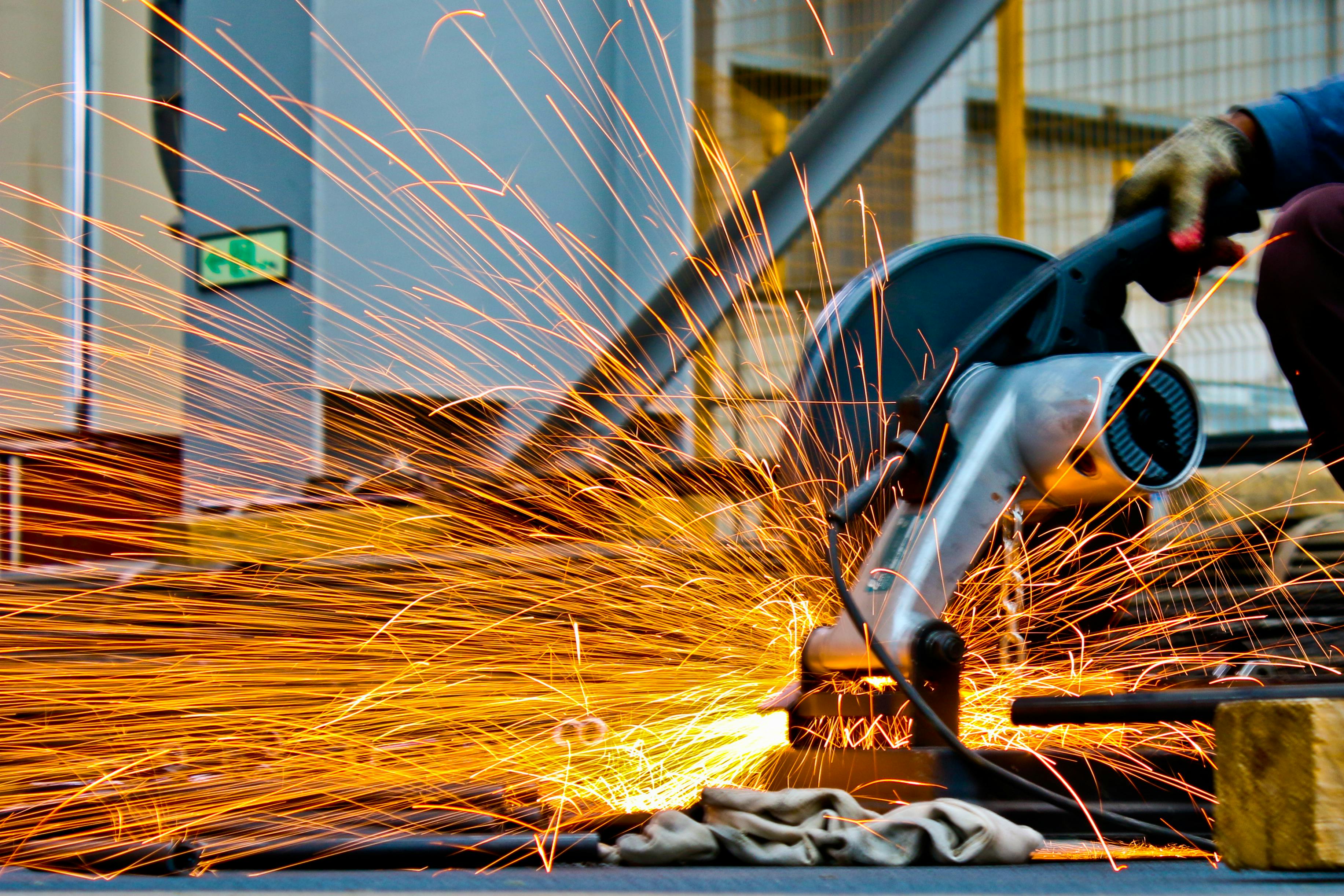
Heavy-duty manufacturing in Canada.
Read more: Heavy-duty manufacturing in Canada.The Canadian heavy-duty manufacturing sector has increased its awareness of growing environmental concerns and sustainability. Roughly 80% of global greenhouse gas emissions are related to burning offsil fuels and industrial processes. In 2021, about 11% of Canada’s total GHG emissions came from the heavy industry sector; lately, the heavy-duty manufacturing sector has begun implementing electric…
-

Canada’s supplemented food sector.
Read more: Canada’s supplemented food sector.According to Tree of Life, “Health is top of mind for many Canadians, with 45% adopting a forward-looking outlook on their personal and always looking for ways to improve their health.” Consequently, they are taking actionable steps in multiple ways, including tried-and-true methods – getting more sleep, exercise, water, vitamins, and whole foods, while reducing sugar…
-
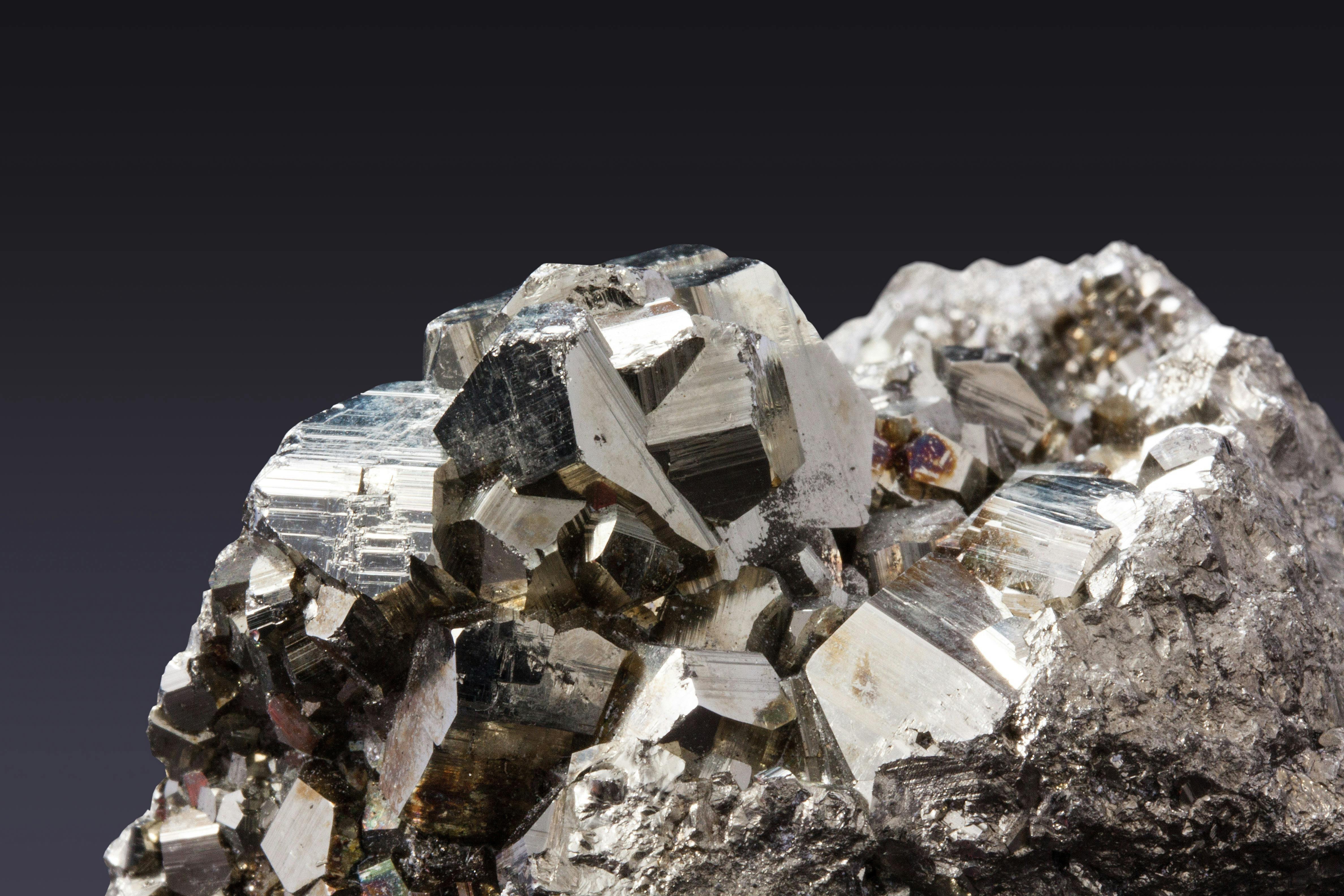
Spotlight: Canada’s mining industry.
Read more: Spotlight: Canada’s mining industry.Now is a good time to take a look at the Canadian mining sector. Canada has one of the largest mining industries in the world, producing more than 60 metals and minerals from 200 mines and 6,500 sand, gravel, and stone quarries. It is a global leader in potash production and a top five global…
-

Canada’s circular economy.
Read more: Canada’s circular economy.What is the circular economy? It’s a different way of doing business, the opposite of a linear economy that moves in a straight line from resource extraction to waste disposal. In a circular economy, nothing is waste. According to the Government of Canada’s Environment and Natural Resources site: “The circular economy retains and recovers as…
-

Canada’s roadmap for small modular reactors.
Read more: Canada’s roadmap for small modular reactors.Canada’s government is committed to achieving net-zero emissions by the year 2050, and meeting this goal includes a call for sustainable energy sources. Nuclear energy is one such zero-emission energy technology, and small modular reactors (SMRs) are particularly fit for this purpose. As per the Canadian Roadmap for Small Modular Reactors: SMRs respond to these…
-

Canada’s decarbonization plans.
Read more: Canada’s decarbonization plans.Canada’s greenhouse gas reduction targets in the buildings industry cannot be met unless the country’s existing commercial and public buildings are decarbonized by 2050. The buildings also need ongoing net zero operation, but the country is currently experiencing a 30% reduction in trained building operators post-pandemic. The International Energy Agency, which monitors clean energy progress around the…
